
Guided Pranayama Sessions
Practices for improved health.
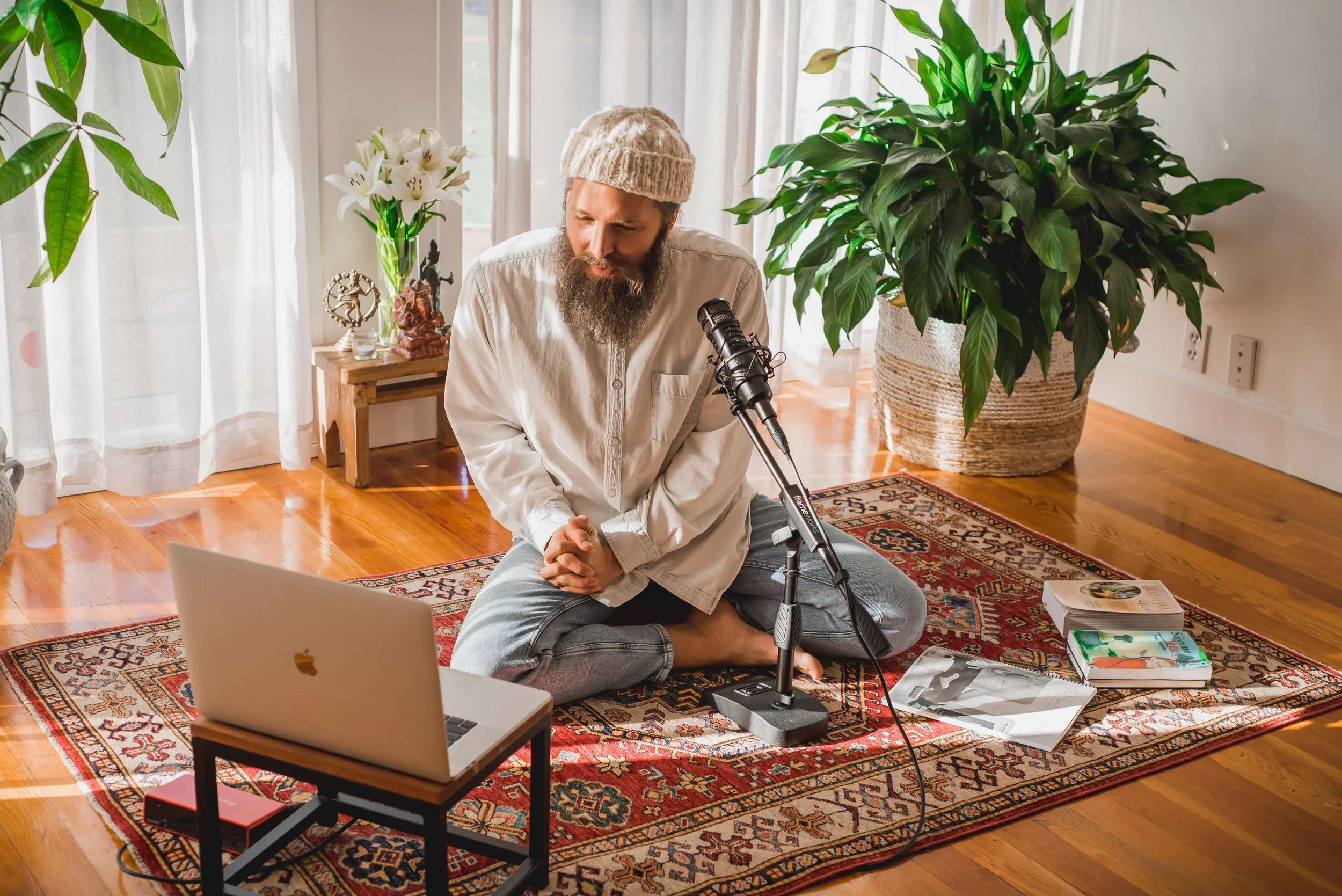
These guided 1-on-1 pranayama breathwork sessions are designed to meet your needs. Providing personalized guidance with specialized Yoga breathing techniques—these online sessions will improve your breathing ability, calm your mind, stabilize busy energy, and better your physical health.
Improve your breathing technique with a teacher
De-stress your body & mind
Cultivate inner-peace & freedom
Healing from Injury
Recovery from Long Covid, Pneumonia, etc.
Respiratory Disease Support / Recovery
COPD, Pneumonia, Long-COVID, Asthma, Cystic fibrosis, Bronchitis etc.
Book Session
Choose a day & time that works best for you. You have the option of booking 1 session or multiple sessions based on your needs.
Intake Form
Fill out the intake form so I can design the breathing session, music & conversation specialized to your specific needs.

Guided Practice
Your guided breathing session will consist of a special breathing practice tailored to your needs, followed by a deeply restorative meditation. The inner-peace will surprise you!
Reflection
After the session we’ll take time to reflect on your experience and chat about how you did and feel, as well as the messages that came through.
Lay Back, Relax, And Breathe.
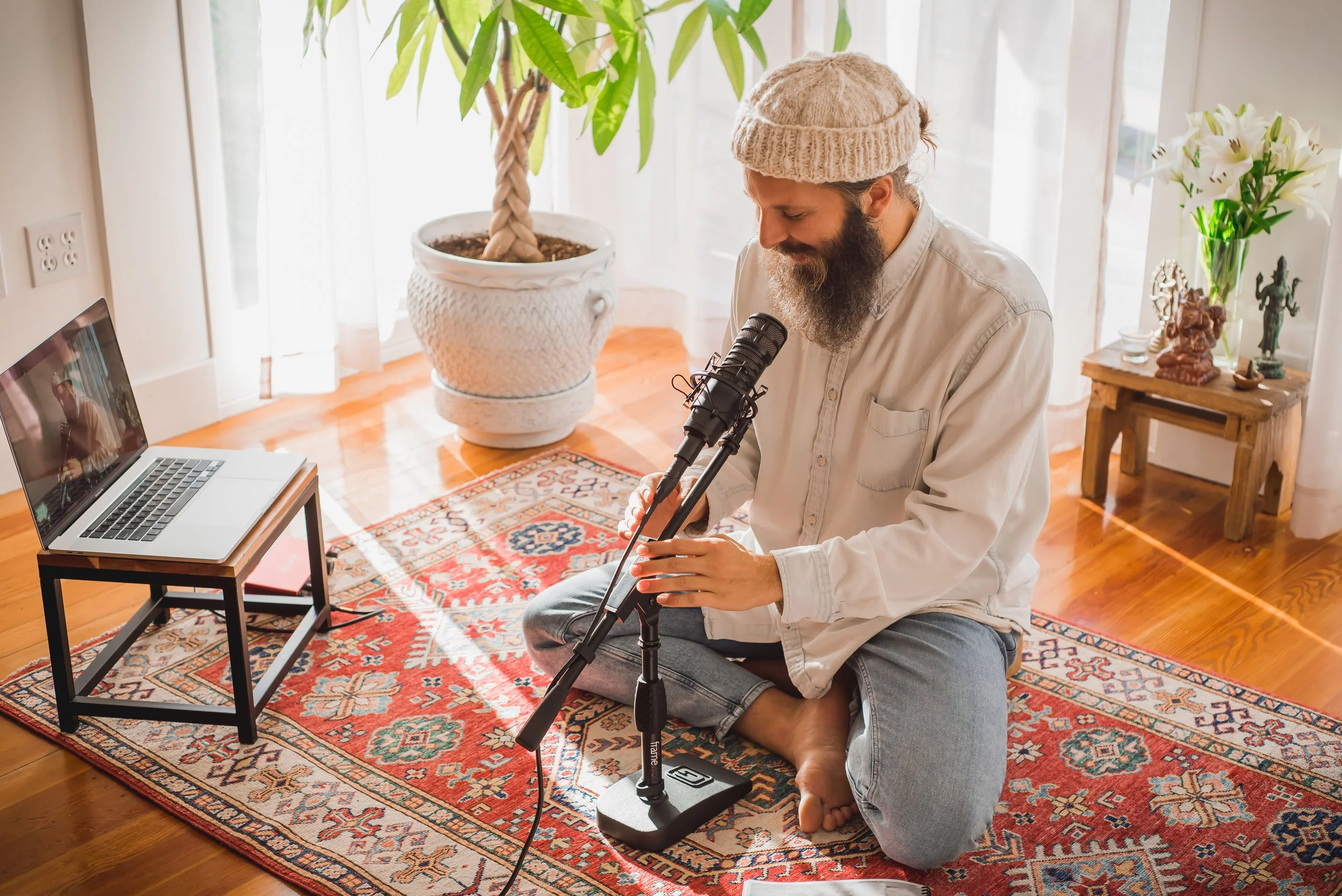
Booking your first guided Pranayama breathing session is simple and easy! Just pick a day & time that works for you and let’s get started.
For 5 & 10 session packages, Click Here.
Client Experiences
Frequently Asked Questions
-
These breathing sessions are designed to meet your needs. What that means is I will take into considerations your health situation, your skill level and familiarity with controlled breathing — and then I will design a practice that benefits you exactly how you need. Sessions will be either seated or reclined based on your skill level and requirements.
About The Session:
A breathing session consists of four phases: ‘introduction & discussion’, an ‘active breathing practice’ where I will guide you, ‘deep relaxation’ where your body and mind will integrate the healing experience, and lastly a ‘practice reflection’ where we discuss your experience and address any questions you may have.
Session Layout:
Introduction and connection, discussing your intake form and how you’re feeling.
I’ll teach you about the breathing practice. You’ll learn the breathing patterns and all the things you can do to get the most out of your session.
The guided breathing session will begin. First time sessions are generally always reclined to facilitate a more healing, restorative experience. I always make sure these breathing sessions support the individual. So no worries about feeling lost or like a fish out of water. I’m here for you! For those who demonstrate signs of respiratory proficiency and can sit comfortably without fidgeting will be eligible for a seated practice.
Every guided breathing session ends with deep relaxation. Which is a resting phase where the active breathing and effort has ended and you just rest. This is an incredibly healing phase. I’ll teach you how to get the most out of it.
And lastly we will end with a session debrief to discuss any questions you have.
-
Pranayama is the ancient yogic science of respiration. Regarded as one of the oldest spiritual practices in the Vedic tradition, Pranayama is championed by ancient sages and modern scientists for its incredible ability to stabilize mental fluctuations, improve health, regulate the nervous system and facilitate a greater quality of life.
Pranayama was founded on an understanding that breathing directly facilitates and influences human physiology and psychology. And when used correctly, can alter the limited-state of consciousness to a sublime, spiritual awareness.
With the correct methodology of breathing, Pranayama will help you establish a re-harmonization of your physiological biorhythms and stabilize how your psyche operates (ego, mind, intellect, memory) — helping you win over a level of inner-clarity and peace that enables profound insight into the technical, abstract questions of life.
So in short, Pranayama is a complex, ancient science that uses your respiration to heal, harmonize, balance, clarify and enlighten yourself.
-
Pranayama is the premier option for helping with respiratory illness. By systematically retraining the muscles and mechanics used for breathing, you will learn how to beneficially manage, improve and stall the progression of conditions like COPD.
By focusing on controlled inhalation, retention, and exhalations, these highly specialized practices help in addressing aspects like the "springiness" lost in diseased lungs and help clear trapped, stale air.
One-on-one pranayama sessions are particularly effective for chronic and acute conditions that cause dyspnea (shortness of breath) or decreased lung capacity. The 1:1 format is essential for these illnesses to ensure that techniques are modified based on your current lung function and to prevent the panic often associated with breathing difficulty.
Bronchial Asthma: Pranayama helps reduce the frequency and severity of attacks. It works by decreasing airway hyperresponsiveness and strengthening the muscles that prevent the shallow "chest breathing" often triggered by asthma. People who practice pranayama regularly have healed themselves of Asthma. But cases are only possible with frequent practice that leads to respiratory proficiency.
Chronic Obstructive Pulmonary Disease (COPD): This includes emphysema and chronic bronchitis. Sessions focus on increasing diaphragmatic strength to improve exercise tolerance and quality of life, even if the structural lung damage itself is irreversible. We’ve had wonderful results with our COPD clients. But results are based on frequency of practice and clients who are inspired to improve their quality of life.
Pneumonia Recovery: Specific exercises help re-inflate lower lobes that may have filled with fluid or sputum during infection. One-on-one guidance ensures you don't over-exert while your lungs are still delicate but also giving you the attention necessary for improved lung functioning.
Post-Viral Lung Issues (e.g., Long COVID): Targeted breathing assists in clearing lingering congestion and re-oxygenating tissues that have suffered from chronic oxygen starvation.
Hyperventilation Syndrome (HVS): is a condition where you frequently breathe much faster or deeper than your body requires, often without any underlying physical lung disease. Private sessions can recalibrate the nervous system's response to CO2 levels, helping to break cycles of rapid, panicky breathing.
Cystic Fibrosis & Bronchiectasis: 1:1 sessions focus developing complete control of the diaphragm so you have an easier ability for active airway clearance. Using specific breath volumes and techniques, the goal is to help you regulate the nervous system and better dislodge and mobilize stubborn mucus from the deep lower lobes to the upper airways.
*As a reminder, always consult with your physician before beginning. Just let them know this is real pranayama breathing, not conscious hyperventilation, modern breathwork or rapid breathing that could be harming.
-
Yes. But the session will then be more tailored to relaxation than specified to you, your specific needs and goals.
-
Yes.
-
The style of Pranayama you are learning is based in the ancient Vedic lineage attributed to the great and eminent sage, Rsi Vasisitha. In this ancient tradition, pre-dating the Mahabharata times, the Sanskrit term used for Pranayama was Pranasamrodha (prana-sam-rode-ah), which translates to, “Restraint or regulation of the vital life currents.”
Upon first glance, you will notice a distinct difference between this style of Pranayama compared to the Hatha and Kriya Yoga approach. Mainly in how we focus on establishing substantial proficiency with the respiratory fundamentals.
With that being said, the way I teach and administer Pranayama, is by first considering the physiological & psychological challenges of the breather, such as stress levels and health concerns, followed by considering whether they are comfortable in their body or not. From there, I’m able to get a good enough read on whether to prescribe a reclined or seated breathing practice and what type of breathing patterns, sequences should be administered, along with frequency of practice.